
Can a Quartet Play Outdoors? Yes, With a Plan

A champagne reception on a terrace, a garden ceremony with guests arriving through the roses, a summer corporate party as the light starts to soften - these are exactly the moments live music can make feel properly special. So, can a quartet play outdoors? Absolutely. The key is treating the music as part of the event production, rather than leaving it to chance.
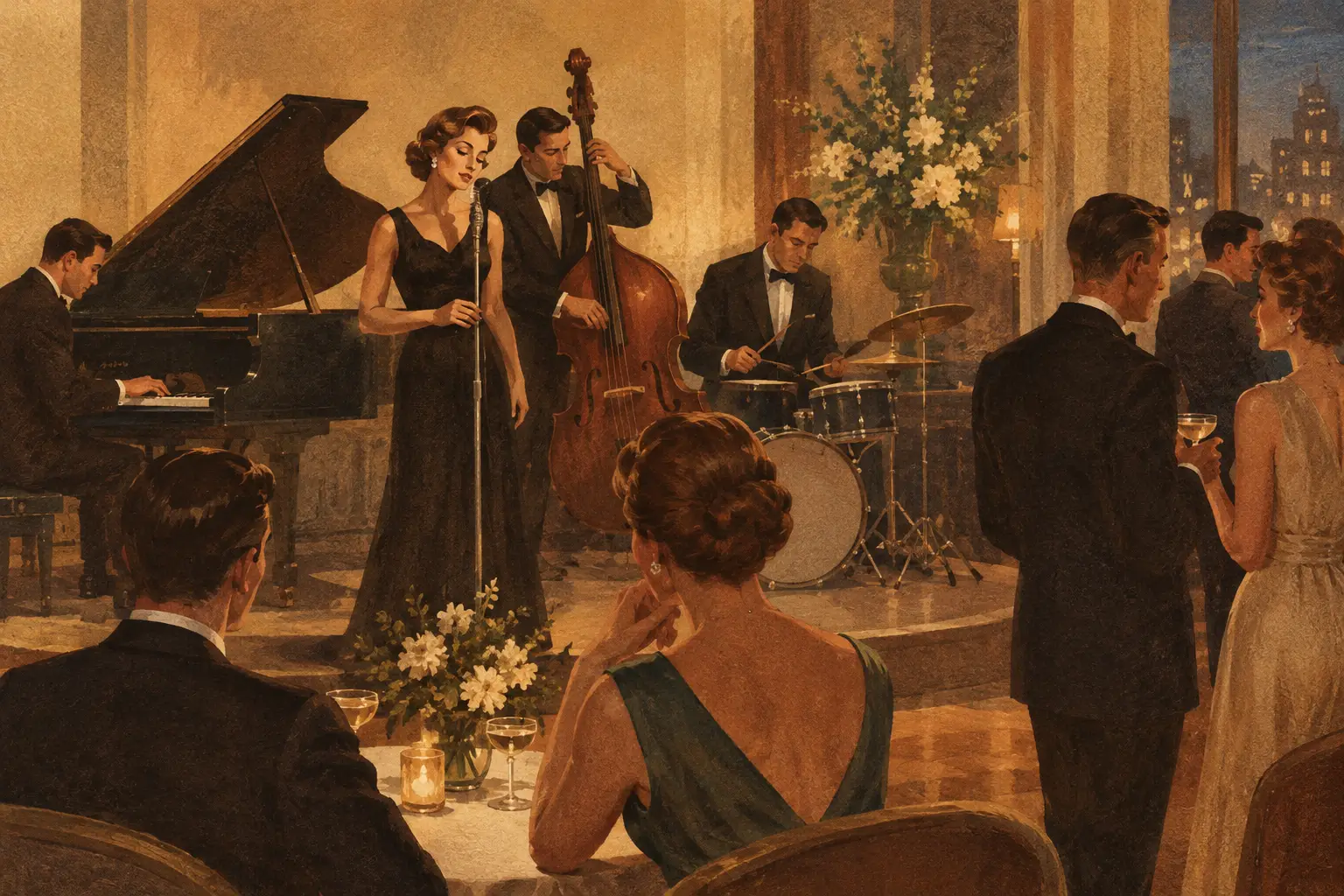
An outdoor quartet can bring warmth, character and a sense of occasion without taking over the entire space. With double bass, drums, piano and vocals, Vintage Boombox creates the feel of a polished live lounge, turning well-known songs into stylish old-school arrangements. But a great outdoor performance depends on a few practical decisions made well before the first note.
Can a quartet play outdoors in British weather?
Yes, provided there is a proper weather plan. A light breeze and a bright afternoon are no problem. Direct sun, rain, gusts and dropping evening temperatures are different matters, particularly for instruments, electrical equipment and performers.
The most useful question is not whether the forecast says sunshine. It is whether the band has a dry, stable and covered performance area if the forecast changes. British summer events can move from glorious to drizzly remarkably quickly, and a gazebo bought for a garden lunch is rarely enough for a full live setup.
A professional-grade canopy, marquee extension, bandstand or covered terrace should have a solid roof, open sides where possible for airflow, and enough depth to keep rain away from the performance area. The cover needs to protect the musicians and equipment, not simply sit somewhere nearby. It should also be secured safely and sensibly, especially on exposed lawns, rooftops and coastal venues.
Shade matters too. Strong afternoon sun can make a piano position uncomfortable, affect visibility and leave singers performing into the glare. A covered spot keeps the band comfortable and looking sharp, which is part of the atmosphere guests have booked.
Choose the right place, not just a pretty backdrop
The view may be spectacular, but the performance position needs to work acoustically and practically. A quartet usually sounds best when placed near the heart of the reception rather than at the far end of the lawn. Guests should be able to enjoy the music naturally while collecting a drink, chatting or moving between spaces.
Hard surfaces such as terraces, courtyards and covered patios help sound carry in a pleasing way. A large open field absorbs sound quickly, while wind can pull it in unexpected directions. That does not rule out a lawn setting, but it may call for carefully managed amplification and a closer guest layout.
Think about what is behind the band. A quiet wall, hedging or marquee side can help contain sound, while a road, generator, busy bar or children’s activity area can compete with it. Positioning a quartet beside the catering entrance is rarely a winning move, however impressive the canapés may be.
Access is equally important. Double basses, drum equipment, keyboards and sound equipment need a clear route from vehicle to performance area. Steps, gravel, narrow garden gates and long walks across wet grass are all manageable with advance planning, but they should never be a surprise on arrival.
Keep the ground level and dry
A stable, level surface is essential. Decking, paving, a firm terrace or a properly installed stage is ideal. Soft grass can become uneven after rain, and a sloping lawn makes drum hardware, keyboard stands and a double bass far less secure than anyone would like.
If the event is on grass, consider a raised platform or flooring beneath the covered area. It gives the musicians a safer footing, protects equipment and creates a more intentional presentation. For a premium occasion, that visual finish goes a long way.
Power, sound and the art of getting the volume right
Outdoor music needs power, even when the performance is designed to feel relaxed and unobtrusive. A suitable nearby electricity supply gives the band a dependable foundation for vocals, piano and the right level of sound reinforcement.
The exact requirement depends on the setting, guest numbers and schedule. An intimate drinks reception may need only gentle amplification so conversation still flows. A larger company celebration, wedding party or featured evening set may need more projection. The goal is not simply volume. It is clarity, musical balance and a performance that reaches guests without shouting at them.
Ask the venue whether the available power is dedicated, accessible and tested. Extension leads running across paths need safe cable protection, and outdoor sockets must be suitable for the job. If a generator is required, it should be quiet, positioned well away from guests and supplied by a reputable event provider. Nothing punctures a sophisticated soul groove quite like a generator chugging through the ballad.
Noise restrictions deserve an early conversation too. Many venues have limits on sound levels or set finishing times, particularly in residential areas. These do not mean live music is off the table. They simply shape the format. A quartet can deliver a refined reception soundtrack at a sensible level, then build the energy when the setting and licence allow.
Match the set to the outdoor moment
Outdoor events often work best when the music develops with the day. During guest arrival and drinks, familiar songs in elegant jazz, soul, blues and vintage-pop arrangements create mood without demanding attention. Later, as the crowd settles in and the bar comes alive, the set can become more rhythmic, more playful and more of a feature.
This is where a compact quartet has a real advantage. The setup feels smart and substantial, but it does not require a huge stage or turn a beautifully designed garden into a festival site. Guests get powerhouse vocals, live rhythm and recognisable songs with a distinctive New Tunes, Old-Style twist.
Timing matters as much as repertoire. Avoid placing a full performance directly alongside speeches, a key announcement or the busiest part of service. Build music around the event flow: arrivals, the reception, the turn between day and evening, or the point where guests are ready to stay a little longer.
For wedding ceremonies, the band should know precisely when to begin, pause and finish. For corporate events, the organiser should share the running order, presentation times and any brand moments in advance. Small details keep the performance feeling effortless for guests.
Give the musicians what they need to perform brilliantly
A clear event brief makes all the difference. Share the schedule, location details, parking arrangements, loading access, power information, venue contact and wet-weather plan well ahead of time. If the band is performing outside a venue, check whether there are restrictions on arrival time, vehicle access or sound checks.
It also helps to decide who has authority to make the weather call. Moving indoors at the first hint of rain can be unnecessary, but waiting until equipment is exposed is too late. A sensible decision point, agreed with the venue and event planner, keeps everyone calm.
Guest comfort belongs in the same conversation. If people are shivering, squinting into the sun or sheltering from a downpour, even the best set will compete with the conditions. Parasols, heaters, blankets, covered seating and a clear route to the bar all support the atmosphere the music is there to create.
When outdoors is not the best choice
There are occasions when moving the quartet indoors, or under a more substantial structure, is the better call. An exposed hilltop in high winds, a venue with no power, a cramped garden with difficult access, or a noise-sensitive late-night setting may not offer the right conditions for a live setup.
That is not a compromise in style. A band positioned just inside open doors, beneath a glass atrium or on a covered terrace can still soundtrack the outdoor gathering beautifully. In fact, this arrangement often gives guests the best of both worlds: a great view, a comfortable performance space and more reliable sound.
The strongest outdoor events are never built on luck. Give your quartet dry cover, secure footing, thoughtful positioning and a proper Plan B, then let the music do what it does best: make a lovely setting feel like a moment people will remember long after the last glass is cleared.


Comments